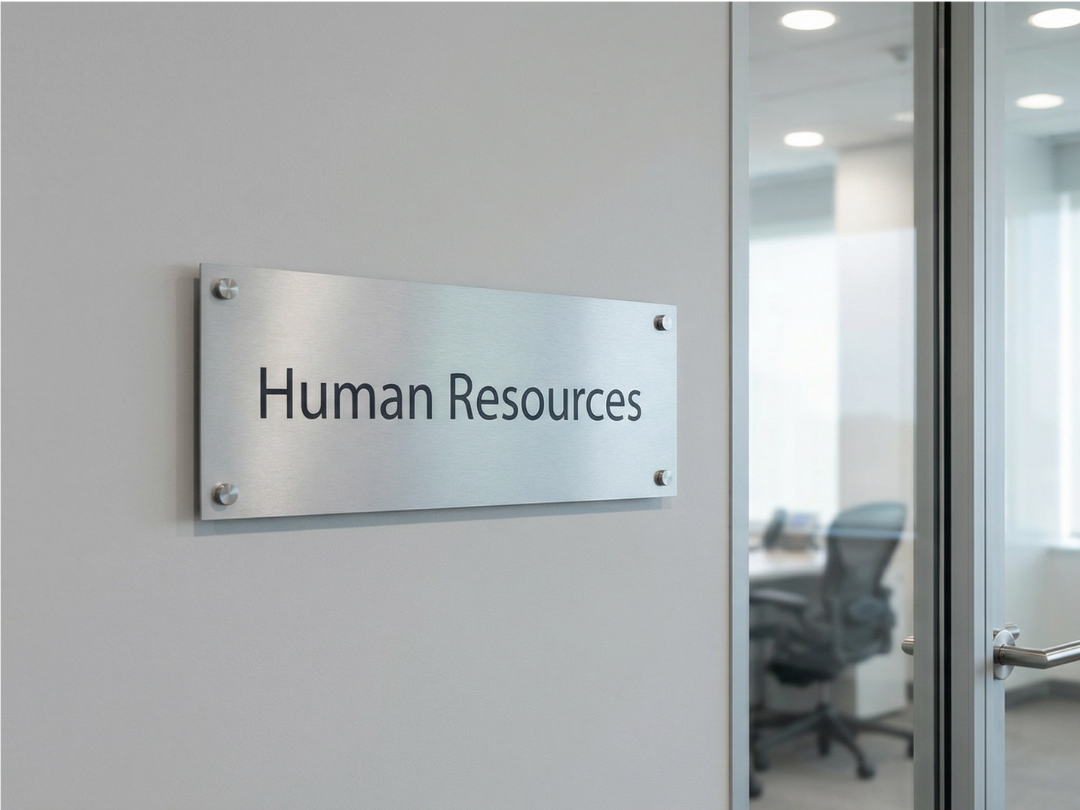
HR Has Quietly Changed the Modern Workplace for the Better
There is a version of the workplace most people see every day. Meetings. Projects. Deadlines. Performance reviews. Promotions. Transitions.
And then there is the work that happens quietly in the background, shaping how people experience their jobs long before they ever sit down at a desk and long after they leave one.
That work belongs to HR.
Over the past decade, and especially in recent years, HR has fundamentally changed the modern professional world. Not loudly. Not with headlines. But through consistency, care, and an expanding responsibility that touches nearly every stage of a person’s working life.
This is a moment to acknowledge that shift and the people carrying it forward.
From Administrative Function to Human Anchor
Not long ago, HR was viewed primarily as an administrative function. Payroll. Compliance. Policies. Enrollment windows. Necessary work, but largely transactional.
That definition no longer fits.
Today, HR is expected to be a guide, a translator, a problem solver, and often a source of reassurance. HR teams help people navigate moments that are deeply personal, even when those moments show up at work. Health decisions. Family changes. Financial stress. Career uncertainty. Life transitions that do not pause just because someone is on the clock.
The role has expanded because the workplace has expanded. Work is no longer separate from life. And HR is often the connective tissue holding those realities together.
HR Supports People Beyond the Payroll System
One of the most meaningful shifts in the profession is also one of the least recognized.
HR no longer supports only employees who are actively on payroll.
HR supports candidates who are deciding whether they feel safe and confident joining an organization. It supports employees’ families and dependents who are often the ones making healthcare decisions behind the scenes. It supports retirees who may no longer log into systems but still need clarity and reassurance about benefits they rely on.
In many organizations, HR is the only function that spans this entire journey. From pre hire to new hire. From active employment to retirement. From employee to family member.
That is not a small responsibility. It is a profound one.
The Invisible Work That Keeps Everything Moving
Much of HR’s most impactful work never shows up in a report.
It looks like answering the same question for the tenth time because the person asking is anxious, not inattentive. It looks like translating complex benefits language into something a spouse can understand at a kitchen table. It looks like helping someone feel confident enough to make a decision that affects their health, their family, or their future.
It looks like showing up during moments that are not convenient or clearly defined.
This is the work people depend on most, and the work that is least visible.
Why Benefits Communication Sits at the Center of HR’s Impact
If there is one area where HR’s expanded role becomes especially clear, it is benefits communication.
Benefits are often described as programs or plans, but for employees and families, they represent security, access, and peace of mind. They are rarely evaluated in a vacuum. They are evaluated in moments of need.
HR teams carry the responsibility of making those benefits understandable, accessible, and usable. Not just during Open Enrollment, but throughout the year. Not just for employees, but for everyone affected by those benefits.
Clear communication does more than reduce questions. It builds trust. It gives people confidence. It extends HR’s reach far beyond office hours or system logins.
When benefits information is easy to find and easy to understand, HR’s support does not stop when the inbox closes. It continues quietly, doing its job.
The Emotional Weight of a Changing Role
What is often overlooked is the emotional weight that comes with this evolution.
HR professionals are expected to be calm during uncertainty, steady during change, and empathetic during moments that are deeply personal for others. They are asked to balance policy with humanity, structure with flexibility, and business needs with real life.
They do this while managing constant change, limited bandwidth, and growing expectations.
And they do it without much applause.
Why This Moment Matters
The end of the year is a natural pause. A moment when offices quiet down and calendars slow, even if the work does not fully stop. It is also a moment when reflection comes more easily than planning.
This is a good time to recognize how much HR has shaped today’s professional world for the better. Not through grand gestures, but through consistency. Through presence. Through the willingness to take on responsibility that did not exist before and make it work anyway.
HR has become a stabilizing force in a workplace that has changed faster than anyone anticipated.
That matters.
A Quiet Thank You
This is not a call to action. It is not a checklist. It is not a reminder to do more.
It is a thank you.
To the HR professionals answering questions no one trained them for. To the teams supporting people they may never meet in person. To those making complex information understandable so others can move forward with confidence.
The modern workplace is better because of this work. And it deserves recognition.
As the year comes to a close, that recognition feels especially timely.
.png)

.png)
